A Seasonal Guide to UK Weather Patterns: What to Expect Each Month
A Seasonal Guide to UK Weather Patterns: What to Expect Each Month
UK weather has a reputation for being unpredictable, and it earns it. You can leave the house in sunshine, walk into a sharp shower, and finish the afternoon in a stiff breeze. But the pattern is not random. There is a rhythm to the year: Atlantic depressions arriving from the west, cold easterly winds in late winter, slow spring warming, and the occasional burst of continental heat in summer. Knowing what each month tends to bring — and how the forecast differs between Cornwall and Caithness — makes it easier to plan walks, garden jobs, days out and the daily commute. This guide walks through the year, season by season, with the regional differences that matter.
January to March: Deep Winter and Early Thaw
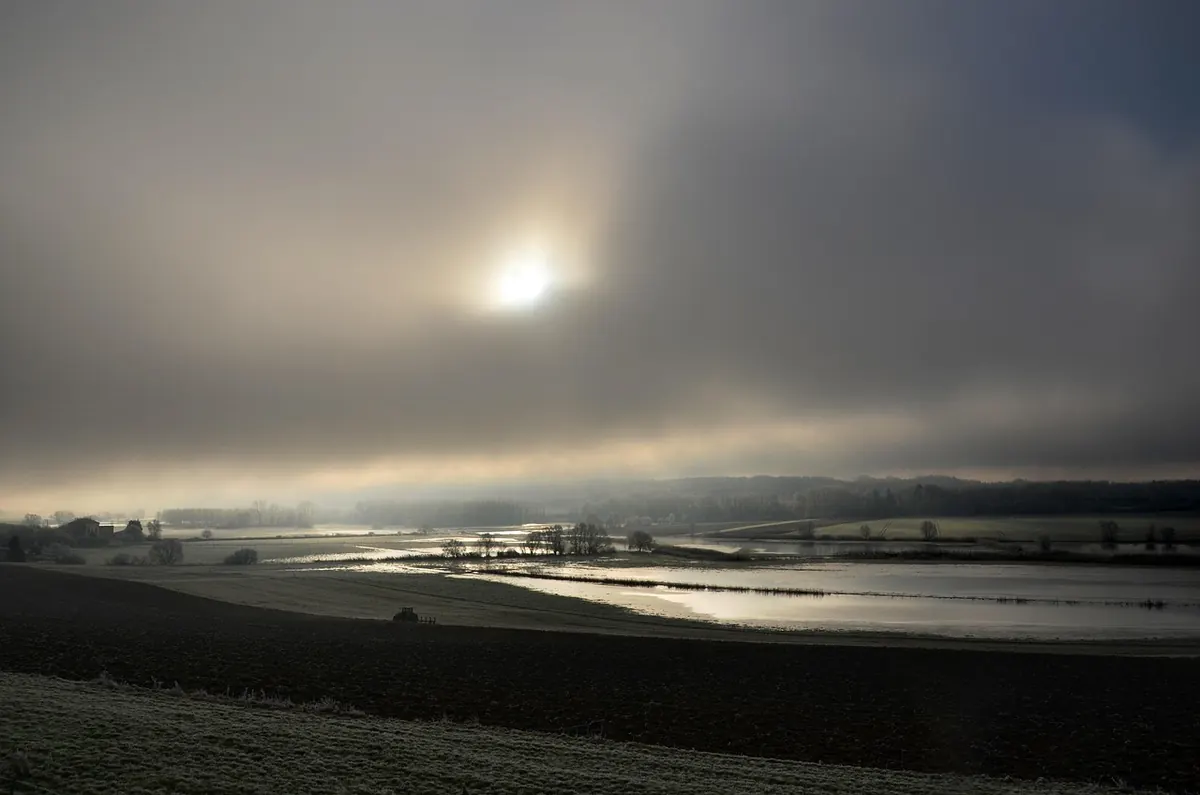
January is often the coldest month, though not always the snowiest. Days are short, frost lingers in sheltered valleys, and fog can sit over inland areas for hours. Atlantic fronts bring rain and wind, especially to western Scotland, Northern Ireland, Wales and south-west England. Snow is possible almost anywhere, but it is most likely in the Scottish Highlands, the Pennines, the Welsh hills and northern England when cold air arrives from the east or north. The shortest days mean any sunshine is weak, and inland frost hollows such as the Cheshire Plain, the Cotswold valleys or parts of the Scottish Borders can be several degrees colder than nearby hills. Meanwhile, coastal Cornwall and western Scotland may stay frost-free while the Highlands are under snow. When a mild south-westerly sets in, it can feel almost spring-like for a day or two, but it rarely lasts.
February can feel colder than January, particularly when an easterly wind drags in air from the continent. That wind brings sharp frosts, dry days and the risk of snow to eastern coasts and hills. Mild, wet, windy spells are just as common, so a single week can contain a hard frost, a gale and a day mild enough for a coat-free walk. The famous “Beast from the East” in 2018 brought snow to eastern England and even parts of London. But February also has mild, drizzly days. In 2019, temperatures hit 20°C in London in late February, showing how quickly the pattern can flip. Gardeners watch for the first signs of spring: snowdrops, early crocuses and catkins. Don’t be fooled — a hard frost can still arrive.
March is the turning point, but it is a stuttering one. Daffodils appear in the south and west while eastern areas still feel raw. Expect bright, cold starts, blustery showers and the odd late snowfall. Layers, not optimism, are the key. The equinox brings longer days, but the sea is still cold, so coastal areas lag behind inland. Eastern coasts can be chilly in an onshore breeze while sheltered western valleys bask. Mother’s Day and Easter can fall in March, and both can be cold, wet or surprisingly mild. The old saying “March comes in like a lion and goes out like a lamb” is not reliable, but it captures the month’s mood swings.
What to watch for in late winter
- Frost hollows: valleys and low-lying inland areas can be colder than the hills above them on clear, calm nights.
- Easterly winds: they bring dry, cold air and snow to eastern coasts and hills, but often leave the west clearer.
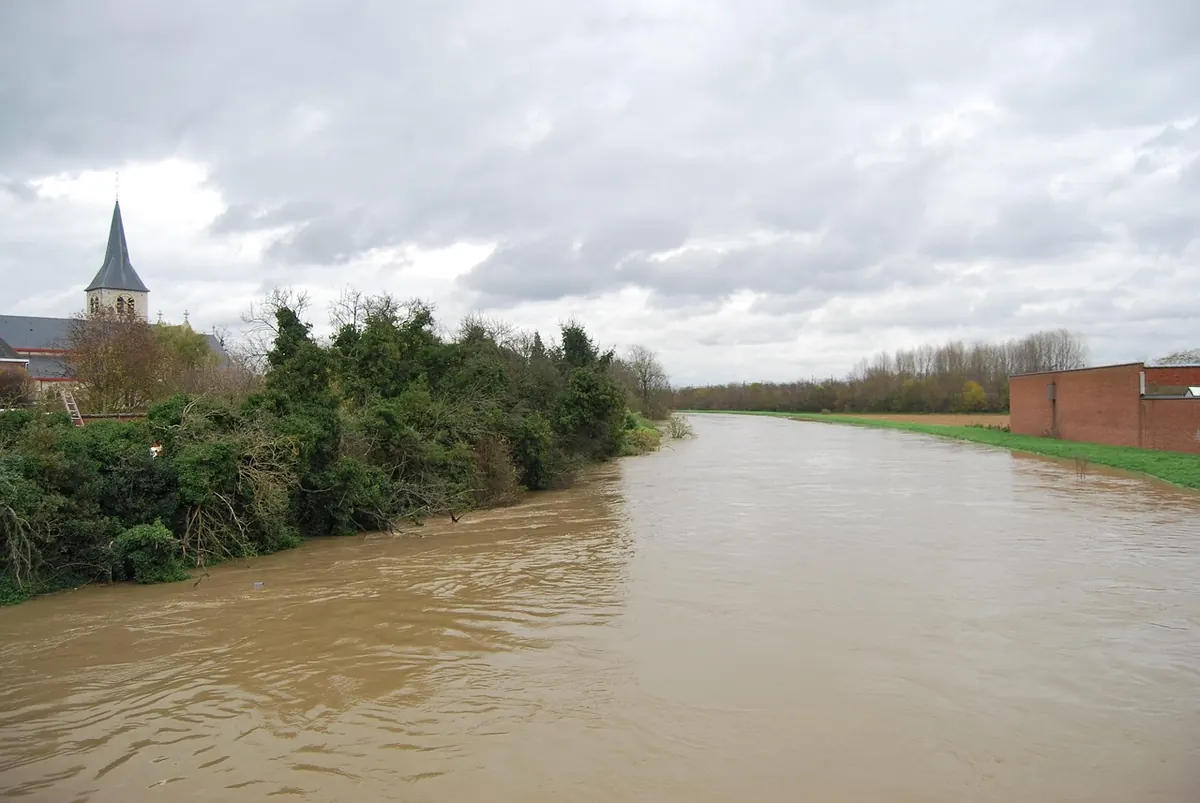
- Flood risk: a sudden thaw or heavy rain on saturated ground can cause rivers to rise quickly.
- Fog: inland fog can linger for days under high pressure, especially in the Midlands and south-east.
April to June: Spring Showers to Early Summer
April is the month of showers — and not just rain. You can get sunshine, hail, sleet, a rainbow and a sharp breeze all in one afternoon. The saying “April showers bring May flowers” is rooted in reality. Westerly winds still dominate, so western Scotland, Wales, Northern Ireland and south-west England get the most rain. Eastern areas are often drier but can be cold in a northerly blast. Temperatures are rising, but nights can still drop near freezing, especially in the north. Gardeners keep fleece handy for tender plants.
May is often one of the most pleasant months. Blossom is out, bluebells fill woodlands, and the first warm days appear. It is not guaranteed: a northerly wind can bring cold, grey conditions to the east coast, and early May frost can damage fruit blossom. The south-east often sees the best of the warmth, while the north-west remains cooler and wetter. Bank holidays can be a lottery — some are sunny and 20°C, others are wet and 10°C. That is part of the UK’s charm, or at least its character.
June brings early summer and the longest days of the year. The solstice is a high point, but it does not guarantee high temperatures. Atlantic fronts can still sweep in, bringing rain to the west and north. Thunderstorms become more likely as the land warms, especially after a humid spell. In a good year, June is warm and sunny; in a poor year, it feels like a cooler version of May. Coastal areas can be cooler than inland because the sea takes longer to warm up, so a day at the beach may need a jumper even when the car thermometer says 22°C.
Gardening and outdoor plans in spring
Wait until late May or early June to plant out tender crops such as tomatoes, courgettes and beans. Check the soil temperature, not just the air temperature. Keep an eye on overnight forecasts for frost. For walks and days out, start early to avoid afternoon showers, and carry a waterproof even if the morning is blue. A light windproof layer is often more useful than a heavy coat.
July to September: High Summer and First Autumn Signs
July is usually the warmest month, but it is not reliably sunny. The UK can sit under a warm continental airflow, bringing heatwaves and humid nights, or under a cool Atlantic westerly, bringing showers and breezy days. The highest temperature ever recorded in the UK — 40.3°C at Coningsby, Lincolnshire, in July 2022 — shows how extreme it can get. More often, July offers a mix: warm sunny spells, heavy showers and thunderstorms, and a few grey days. The south-east is most likely to see the heat, while the north-west stays cooler and wetter.
August is school holiday season, and the weather often feels like it is on holiday too — unpredictable. The Atlantic tends to wake up, bringing spells of wind and rain, especially to western areas. But August can also deliver fine, warm days, and the sea is at its warmest, making it the best month for swimming in the south-west. Thunderstorms can be intense, with flash flooding in towns and cities. If you are camping, check the forecast for wind and rain, not just temperature.
September is a transition month. The nights draw in, mornings feel fresher, and mist and dew appear. The sea is still warm, so coastal areas can be pleasant, but the first autumn gales may arrive. Ex-hurricanes from the Atlantic sometimes bring heavy rain and strong winds, particularly to western Scotland and Northern Ireland. It is often a good month for walking: fewer crowds, softer light, and still enough warmth for a picnic if you pick the right day. But pack layers, because a sunny lunchtime can turn into a chilly evening quickly.
Heat and storm risks in late summer
During a heatwave, stay hydrated, avoid the hottest part of the day, and check on vulnerable neighbours. Thunderstorms can develop rapidly on hot, humid afternoons. If you hear thunder, seek shelter indoors or in a hard-topped vehicle. Avoid open ground, tall trees and water. Flash flooding can turn roads into rivers within minutes, so never drive through floodwater.
October to December: Autumn Gales and Winter Arrival
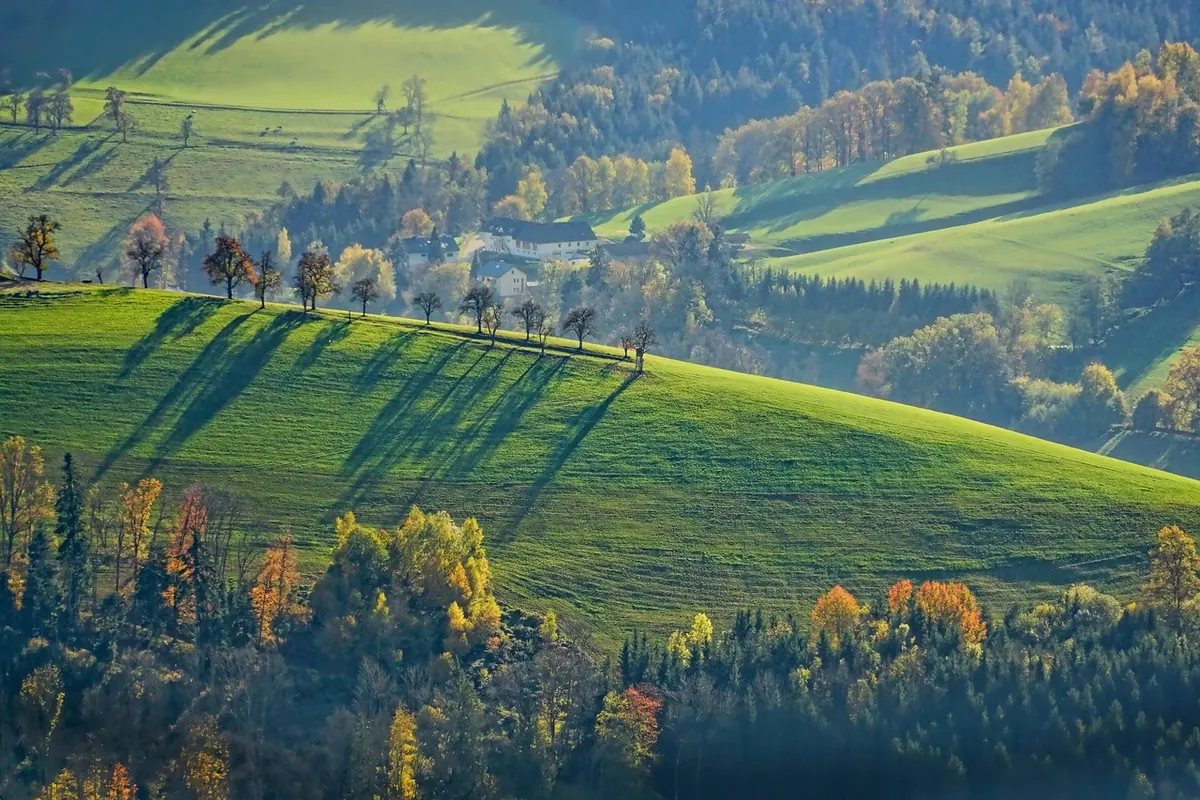
October is a month of contrasts. Early October can feel like a continuation of summer, with warm, golden days and misty mornings. By the end of the month, autumn is in full swing: leaves turn, gales sweep in from the Atlantic, and rain becomes more frequent. Half-term holidays often see a mix of sunshine and showers. The west and north are wettest, while the south-east can enjoy crisp, bright days. Fog becomes more common, especially in the Midlands and south-east.
November is often grey, damp and windy. It is not the coldest month, but it can feel bleak because the days are short and the leaves are gone. Fireworks night can be clear and frosty or wet and windy. Remembrance Sunday services may be held in cold, raw conditions. The first widespread frosts often arrive, and snow can fall on northern hills. In 2010, November brought early snow and record low temperatures, while in other years it has been mild enough for roses to keep flowering.
December brings the shortest day and the start of winter. It can be mild, wet and windy, with Atlantic storms bringing rain and gales. It can also be cold, crisp and snowy, especially in the north and east. A white Christmas is rare in most of the UK — statistically, it is more likely in Scotland and northern England than in London or Cornwall. The Christmas period often sees travel disruption from fog, snow, rain or wind. Keep an eye on forecasts if you are driving or flying. After the solstice, the days slowly lengthen, but the coldest weather often arrives in January and February.
Regional differences at a glance
- South-west England and Cornwall: mildest winters, wettest and windiest overall, with gales and mild, damp days.
- South-east England: driest and warmest in summer, but can be cold in winter when easterly winds bring snow.
- Wales: wet and windy, especially in the mountains; mild on the coast, colder inland.
- Northern Ireland: mild, wet and breezy, with rain spread throughout the year.
- North-west England and western Scotland:
Photo: Schwoaze / Pixabay
You Might Also Like
Warmer air holds more moisture, and UK rainfall is increasingly arriving in heavier bursts. Here is what the science says about storm rainfall, flood risk and attribution studies.
UK winters are getting milder and wetter, with fewer hard frosts and more intense rain. Here's what's changing, and how to prepare your home, garden and travel plans.